
كنز أثري يعود لـ2000 عام يكشف أسرار الإسكندرية القديمة – أخبار السعودية – كورا نيو


في اكتشاف أثري يوصف بـ«الاستثنائي»، عثر فريق آثار تحت الماء على قارب ترفيهي فاخر يعود للنصف الأول من القرن الأول الميلادي، قبالة سواحل الإسكندرية، ويطابق تمامًا الوصف الذي سجّله المؤرخ اليوناني سترابو قبل أكثر من ألفي عام.
اكتشاف مذهل في أعمال الأسكندرية
القارب الذي يبلغ طوله 35 مترًا وعرضه نحو 7 أمتار، كان مصممًا لحمل جناح مركزي فخم يتوسطه كابينة مزخرفة بأبهى حلل الترف، عُثر عليه في موقع جزيرة أنتيرهودوس الغارقة، التي كانت جزءًا من ميناء الإسكندرية العظيم (بورتوس ماجنوس) في العصر الهلينستي والروماني المبكر.
الاكتشاف تم على يد المعهد الأوروبي لآثار تحت الماء (IEASM) بقيادة عالم الآثار البحرية الفرنسي فرانك جوديو، الأستاذ الزائر بجامعة أكسفورد.
قارب ملكي نادر
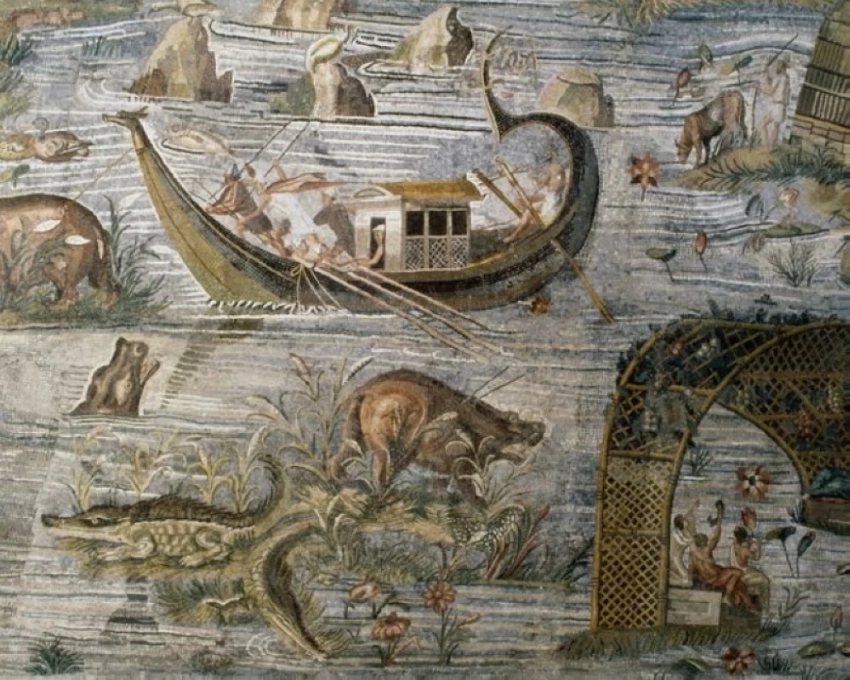
وقال جوديو لصحيفة «الغارديان» البريطانية: «هذه أول مرة على الإطلاق نعثر في مصر على قارب من هذا النوع، ذُكرت هذه القوارب في نصوص قديمة وصوّرت في أعمال فنية، مثل فسيفساء بالسترينا الشهيرة التي تظهر قاربًا أصغر يصطاد فيه النبلاء فرس النهر، لكن لم يُكتشف قارب حقيقي منها حتى الآن».
وأضاف: «كنا نظن في البداية أن هناك سفينتين متداخلتين لأن شكل البناء غريب جدًا: المقدمة مسطحة والمؤخرة مدورة، مما يتيح لها الإبحار في مياه ضحلة للغاية»، ويبدو أن القارب كان يحتاج أكثر من 20 مجدافًا.
وعُثر على القارب على عمق 7 أمتار فقط من الماء و1.5 متر تحت الرمال، ولم يبعد أكثر من 50 مترًا عن موقع معبد إيزيس الذي يحفره جوديو منذ سنوات.
ويرجّح العلماء أن القارب غرق نحو عام 50م إبان كارثة طبيعية دمرت المعبد وأجزاء واسعة من الساحل بعد زلازل وأمواج مد عاتية (تسونامي) ابتلعت قصورًا ومباني بأكملها.
وهناك فرضية أخرى مثيرة يطرحها جوديو نفسه وهي أنه قد يكون القارب مركبًا مقدسًا مرتبطًا بطقوس «نافيجيو إيزيديس» (رحلة إيزيس)، حيث كانت مواكب دينية تحتفل بالإلهة إيزيس – سيدة البحر – فتخرج سفينة مزخرفة فاخرة تمثل مركب الشمس الإلهي.
كتابات يونانية على العارضة المركزية للقارب
كما عُثر على كتابات يونانية (جرافيتي) على العارضة المركزية للقارب لم تُفك رموزها بعد، والبحث ما زال في مراحله الأولى.
وقال البروفيسور داميان روبنسون، مدير مركز أكسفورد لآثار بحرية: «إنه نوع من السفن لم نعثر عليه من قبل أبدًا، يمكننا قراءة وصف «قوارب الكبائن» في النصوص القديمة ورؤيتها في الأعمال الفنية، لكن أن نملك الدليل الأثري الفعلي، هذا أمر مذهل».
توصيات اليونسكو
وسيبقى الحطام في قاع البحر وفقًا لتوصيات اليونسكو التي تفضل ترك الآثار تحت الماء لحمايتها، ولم يتم استكشاف سوى نسبة ضئيلة جدًا من المنطقة حتى الآن، ومن المقرر استئناف الحفائر قريبًا.
ويعد هذا الاكتشاف إضافة إلى سلسلة إنجازات فرانك جوديو في مياه الإسكندرية وخليج أبي قير، حيث سبق أن أعاد اكتشاف مدينتي ثونيس-هيراكليون وكانوبوس الغارقتين، وأخرج تماثيل عملاقة وكنوزًا لا تُقدّر بثمن من قلب البحر المتوسط.
In an archaeological discovery described as “exceptional,” a team of underwater archaeologists has found a luxurious recreational boat dating back to the first half of the first century AD, off the coast of Alexandria, which perfectly matches the description recorded by the Greek historian Strabo more than two thousand years ago.
Amazing Discovery in Alexandria’s Works
The boat, which is 35 meters long and about 7 meters wide, was designed to carry a lavish central pavilion featuring a cabin adorned with the finest luxury. It was found at the site of the sunken island of Antirhodus, which was part of the great port of Alexandria (Portus Magnus) during the Hellenistic and early Roman periods.
The discovery was made by the European Institute of Underwater Archaeology (IEASM) led by French marine archaeologist Franck Goddio, a visiting professor at the University of Oxford.
Rare Royal Boat
Goddio told the British newspaper “The Guardian”: “This is the first time ever that we have found a boat of this kind in Egypt. These boats were mentioned in ancient texts and depicted in artistic works, such as the famous Palestrina mosaic that shows a smaller boat where nobles are hunting a hippopotamus, but no real boat of this type has been discovered until now.”
He added: “Initially, we thought there were two overlapping ships because the shape of the structure is very strange: the front is flat and the back is rounded, allowing it to navigate in very shallow waters.” It seems that the boat required more than 20 oars.
The boat was found at a depth of only 7 meters of water and 1.5 meters beneath the sand, not more than 50 meters from the site of the Temple of Isis, which Goddio has been excavating for years.
Scientists believe that the boat sank around 50 AD during a natural disaster that destroyed the temple and large parts of the coast after earthquakes and massive tidal waves (tsunamis) swallowed entire palaces and buildings.
Another intriguing hypothesis posed by Goddio himself is that the boat may have been a sacred vessel associated with the “Navigium Isidis” (Journey of Isis) rituals, where religious processions celebrated the goddess Isis – Lady of the Sea – with a lavishly decorated ship representing the divine solar boat.
Greek Inscriptions on the Boat’s Central Beam
Greek inscriptions (graffiti) were also found on the central beam of the boat that have not yet been deciphered, and research is still in its early stages.
Professor Damian Robinson, director of the Oxford Centre for Maritime Archaeology, stated: “It is a type of ship we have never found before. We can read the description of ‘cabin boats’ in ancient texts and see them in artistic works, but to have the actual archaeological evidence is amazing.”
UNESCO Recommendations
The wreck will remain on the seabed according to UNESCO recommendations, which prefer to leave underwater artifacts in place for their protection. Only a very small percentage of the area has been explored so far, and excavations are set to resume soon.
This discovery adds to Franck Goddio’s series of achievements in the waters of Alexandria and Abu Qir Bay, where he previously rediscovered the sunken cities of Thonis-Heracleion and Canopus, bringing forth giant statues and priceless treasures from the heart of the Mediterranean Sea.
المصدر : وكالات


