
وباء بحري ينذر بانقراض «القنافذ» في «الكناري»! – أخبار السعودية – كورا نيو


كشفت دراسة علمية حديثة أن وباءً بحرياً غامضاً يدفع عدة أنواع من قنافذ البحر إلى شفير الانقراض، بل وأباد بعض التجمعات السكانية تماماً في مناطق متفرقة من العالم.
ومنذ عام 2021، قضى المرض تقريباً على قنافذ البحر من نوع «Diadema africanum» في أرخبيل جزر الكناري الإسبانية، إذ انخفضت أعدادها بنسبة 99.7% في جزيرة تينيريفي، وبنسبة 90% قبالة جزر ماديرا البرتغالية، بحسب صحيفة «الغارديان» البريطانية.
موت جماعي لقنافذ البحر بالكاريبي
وخلال الفترة نفسها، سُجلت حالات موت جماعي لهذا الجنس وأنواع قريبة منه في البحر الأحمر والبحر المتوسط ومنطقة الكاريبي والمحيط الهندي الغربي.
وقال مؤلف الدراسة الرئيسي إيفان كانو، الباحث في جامعة لا لاغونا بجزر الكناري: «ما رأيناه منذ 2021 مقلق للغاية، نتحدث عن اختفاء أنواع بأكملها في فترة زمنية قصيرة جداً».
ما هي قنافذ البحر؟
وتُعد قنافذ البحر من الكائنات الاستثنائية؛ فهي قريبة النجم البحري، تتنفس من خلال أقدامها، وتُشكل أشواكها درعاً حاداً ضد المفترسات، وملجأً للكائنات الصغيرة في الوقت ذاته.
مهندسو النظام البيئي
قنافذ البحر تُلقب أيضاً بـ«مهندسي النظام البيئي»؛ لأنها تتحكم في نمو الطحالب، وتفتت أغذية الحيوانات الأخرى، وتُشكل مصدر غذاء أساسي لعدد من المفترسات، وبفقدانها، تتضاعف الطحالب وتنهار الشعاب المرجانية الصلبة التي تمثل موطناً لآلاف الأنواع البحرية، ففي منطقة الكاريبي مثلاً، انخفضت تغطية المرجان إلى النصف وزادت الطحالب بنسبة 85% بعد موت القنافذ بأعداد هائلة.
وأضاف «كانو»: «ما أذهلني في هذا النوع أنه يغيّر بيئته تماماً كما يفعل الإنسان، عندما يوجد، يعدل الموطن البيئي بشكل جذري». وحذّر من أننا «لا نعرف حتى الآن التأثيرات المتسلسلة التي قد تلحق ببقية الأنواع».
وباء بحري غامض السبب
ولا يزال العلماء عاجزين عن تحديد السبب الدقيق للوباء، لكن «كانو» يرى أن «البشر على الأرجح متورطون» في نشره، مشيراً إلى أن الفرضيات الحالية تتحدث عن نقل العدوى عبر السفن التجارية، أو تغيّر التيارات البحرية، أو موجات غير طبيعية.
وكان «كانو» قد انتقل إلى جزر الكناري لدراسة المراحل المبكرة من حياة القنافذ، لكنه صُدم بعدم وجود صغار كافية للدراسة، فغيّر موضوع رسالة الدكتوراه ليصبح «الانهيار السريع لتجمعات قنافذ البحر».
ويُعد جنس «Diadema» الأكثر انتشاراً والأهم بيئياً بين قنافذ البحر في المياه الاستوائية حول العالم، ولم يبقَ سوى بضعها لم يصبها الوباء حتى الآن.
وختم «كانو» تحذيره قائلاً: «لا نعرف بعد كيف سيتطور هذا الوباء، ولحسن الحظ لم يصل بعد إلى جنوب شرق آسيا وأستراليا، لكن لا يمكننا استبعاد عودته أو انتشاره أكثر في المستقبل».
A recent scientific study has revealed that a mysterious marine epidemic is driving several species of sea urchins to the brink of extinction, and has even completely wiped out some populations in various parts of the world.
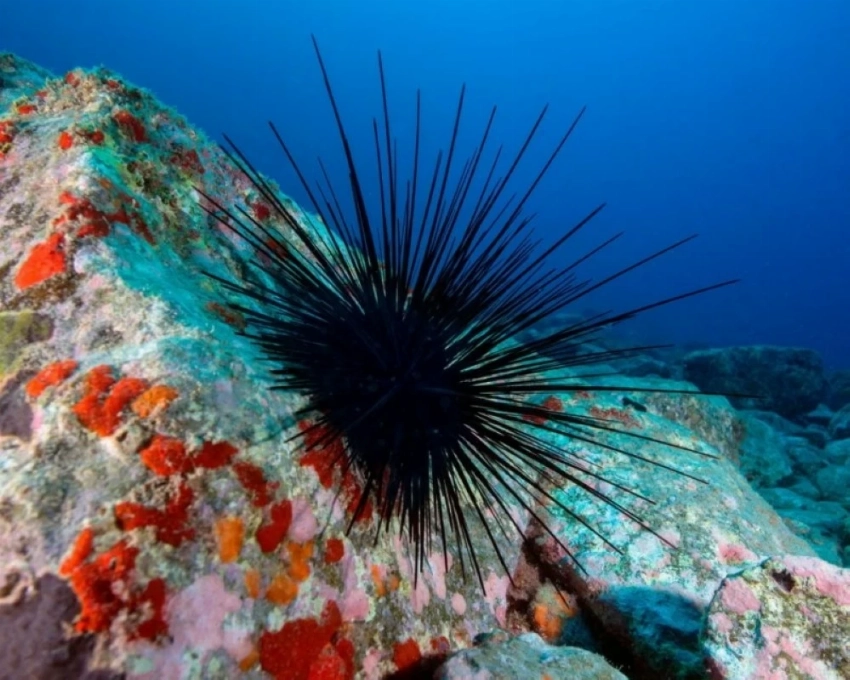
Since 2021, the disease has nearly eradicated sea urchins of the species “Diadema africanum” in the Spanish Canary Islands, with their numbers declining by 99.7% on the island of Tenerife, and by 90% off the coast of the Portuguese Madeira Islands, according to the British newspaper “The Guardian.”
Mass Death of Sea Urchins in the Caribbean
During the same period, mass die-offs of this genus and closely related species have been recorded in the Red Sea, the Mediterranean Sea, the Caribbean, and the western Indian Ocean.
The lead author of the study, Ivan Cano, a researcher at the University of La Laguna in the Canary Islands, stated: “What we have seen since 2021 is extremely concerning; we are talking about the disappearance of entire species in a very short period of time.”
What are Sea Urchins?
Sea urchins are exceptional creatures; they are closely related to starfish, breathe through their feet, and their spines form a sharp shield against predators, while also providing shelter for small organisms.
Engineers of the Ecosystem
Sea urchins are also dubbed “ecosystem engineers” because they control algae growth, break down food for other animals, and serve as a primary food source for several predators. With their loss, algae proliferate and hard coral reefs, which are home to thousands of marine species, collapse. For instance, in the Caribbean, coral coverage has halved, and algae have increased by 85% following the massive die-off of sea urchins.
Cano added: “What astonished me about this species is that it completely alters its environment just like humans do; when present, it radically modifies the ecological habitat.” He warned that “we do not yet know the cascading effects that may impact the rest of the species.”
Mysterious Marine Epidemic as the Cause
Scientists are still unable to pinpoint the exact cause of the epidemic, but Cano believes that “humans are likely involved” in its spread, noting that current hypotheses suggest transmission via commercial ships, changes in ocean currents, or abnormal waves.
Cano had moved to the Canary Islands to study the early life stages of sea urchins, but was shocked by the lack of juveniles available for study, prompting him to change his doctoral thesis topic to “the rapid collapse of sea urchin populations.”
The genus “Diadema” is the most widespread and ecologically important among sea urchins in tropical waters around the world, with only a few remaining that have not been affected by the epidemic so far.
Cano concluded his warning by saying: “We do not yet know how this epidemic will evolve, and fortunately, it has not yet reached Southeast Asia and Australia, but we cannot rule out its return or further spread in the future.”
المصدر : وكالات


