
تايوان: نواب المعارضة يبدؤون إجراءات لعزل رئيس البلاد – أخبار السعودية – كورا نيو


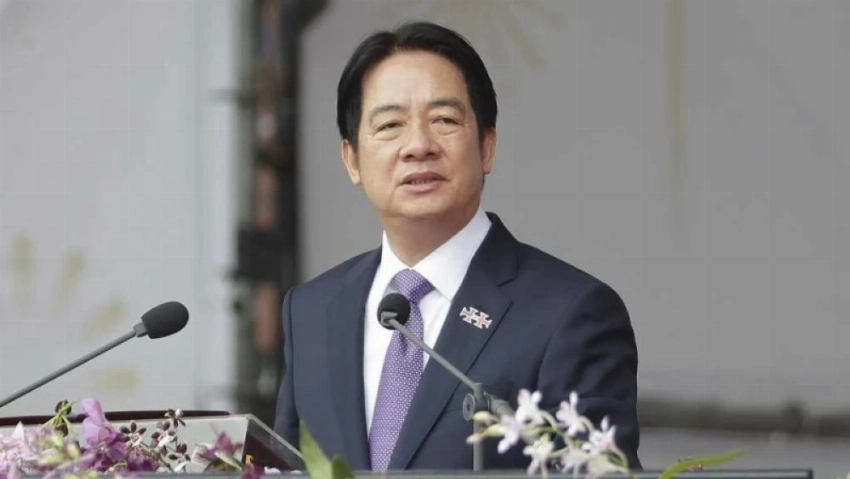
أقر المجلس التشريعي البرلمان التايواني اقتراحًا لبدء إجراءات عزل الرئيس لاي تشينغ-تي بأغلبية 60 صوتًا مقابل 51، وكان ذلك مدعومًا من نواب حزب الكومينتانغ، وحزب الشعب التايواني.
ويتهم النواب المعارضون الرئيس لاي بانتهاك النظام الدستوري وتقويض الديموقراطية، وذلك بعد رفضه في 15 ديسمبر إصدار تعديل قانوني أقره البرلمان يتعلق بـ«توزيع الإيرادات الحكومية».
وكان هذا التعديل يهدف إلى زيادة حصة الحكومات المحلية من الإيرادات العامة، لكن الرئيس اعتبره يهدد الاستدامة المالية للدولة، واستند إلى رفض رئيس الوزراء تشو رونغ-تاي التوقيع المضاد عليه — وهو إجراء دستوري مطلوب — ليبرر عدم إصداره.
ويصف قادة المعارضة تصرف الرئيس بأنه «تجاوز سلطوي» و«إهانة للرأي العام»، بل وصل الأمر إلى عرض صور معدلة تصور لاي كـ«يوان شيكاي» الرئيس الصيني الذي حاول استعادة الإمبراطورية عام 1915.
في المقابل، يرى الحزب الحاكم أن الإجراء «رمزي بحت» ومسرحية سياسية، لأن المعارضة تمتلك 60 صوتًا فقط، بينما يتطلب إقرار قرار العزل في البرلمان ثلثي الأعضاء، أي 76 صوتًا على الأقل، ثم ينتقل إلى المحكمة الدستورية التي ما زالت تعاني من نقص في عدد القضاة (8 فقط من 15)، ما يجعل نجاح العزل شبه مستحيل عمليًا.
وفاز لاي تشينغ-تي من الحزب الديموقراطي التقدمي برئاسة الجمهورية في يناير 2024، لكن حزبه خسر الأغلبية في البرلمان (51 مقعدًا فقط من أصل 113)، حيث سيطر تحالف المعارضة — حزب الكومينتانغ 52 مقعدًا و حزب الشعب التايواني 8 مقاعد وبعض المستقلين على الغالبية الهشة، ما أدى إلى تصعيد الصراع التشريعي المتواصل منذ تولي لاي المنصب في مايو 2024.
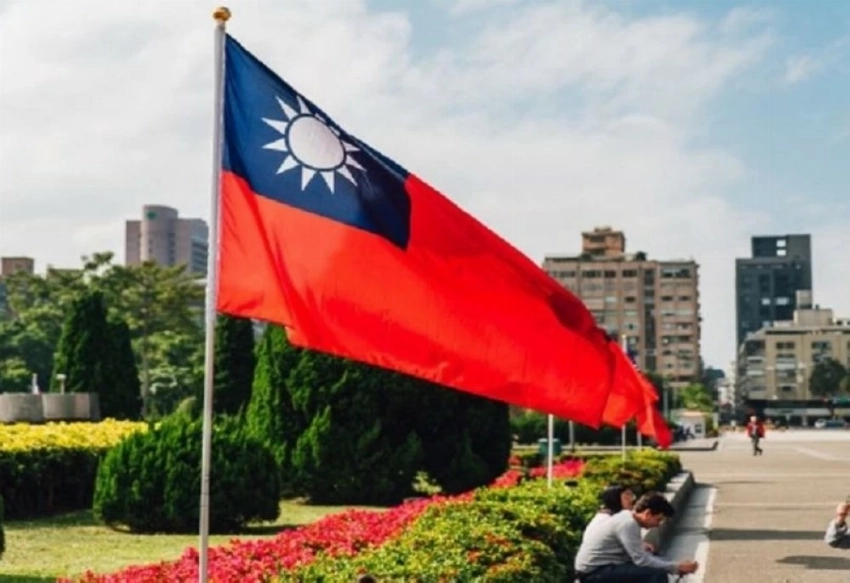
وتشهد تايوان خلافًا حادًا بين الحكومة والبرلمان بسبب تخفيضات في الميزانية العامة وميزانية الدفاع، ورفض زيادة الإنفاق العسكري الضخمة التي يطالب بها لاي بما في ذلك حزمة إضافية مقترحة بـ40 مليار دولار، وتعطيل تشكيل المحكمة الدستورية بسبب الخلافات.
ويعتبر قرار الرئيس التايواني برفض إصدار التعديل التشريعي بعد إقرار البرلمان أول حالة في التاريخ التايواني الحديث يرفض فيها رئيس إصدار قانون أقره البرلمان.
The Taiwanese Legislative Council approved a proposal to initiate impeachment proceedings against President Lai Ching-te by a majority of 60 votes to 51, supported by members of the Kuomintang Party and the Taiwan People’s Party.
Opposition lawmakers accuse President Lai of violating constitutional order and undermining democracy after he rejected on December 15 the issuance of a legal amendment approved by the parliament regarding the “distribution of government revenues.”
This amendment aimed to increase the share of local governments from public revenues, but the president deemed it a threat to the state’s financial sustainability, justifying his refusal based on Prime Minister Su Tseng-chang’s refusal to sign it — a required constitutional procedure.
Opposition leaders describe the president’s actions as “authoritarian overreach” and “an insult to public opinion,” even going so far as to display altered images depicting Lai as “Yuan Shikai,” the Chinese president who attempted to restore the empire in 1915.
In contrast, the ruling party views the action as “purely symbolic” and a political farce, as the opposition holds only 60 votes, while a two-thirds majority, or at least 76 votes, is required to pass the impeachment resolution in parliament. It would then move to the Constitutional Court, which still suffers from a shortage of judges (only 8 out of 15), making the success of the impeachment practically impossible.
Lai Ching-te of the Democratic Progressive Party won the presidency in January 2024, but his party lost the majority in parliament (only 51 seats out of 113), with the opposition coalition — the Kuomintang holding 52 seats and the Taiwan People’s Party 8 seats, along with some independents — controlling the fragile majority, leading to an escalation of the legislative conflict that has persisted since Lai took office in May 2024.
Taiwan is experiencing a sharp dispute between the government and parliament over cuts to the public budget and defense budget, and the refusal to increase the massive military spending that Lai demands, including a proposed additional package of $40 billion, as well as the disruption of forming the Constitutional Court due to disagreements.
The Taiwanese president’s decision to refuse to issue the legislative amendment after its approval by parliament is considered the first instance in modern Taiwanese history where a president has refused to enact a law approved by parliament.
المصدر : وكالات


