تلقيت رسائل إجرامية.. مخرج «القيصر»: ما عُرض على الشاشة يمثل 1% من الحقيقة – أخبار السعودية – كورا نيو

[ad_1]
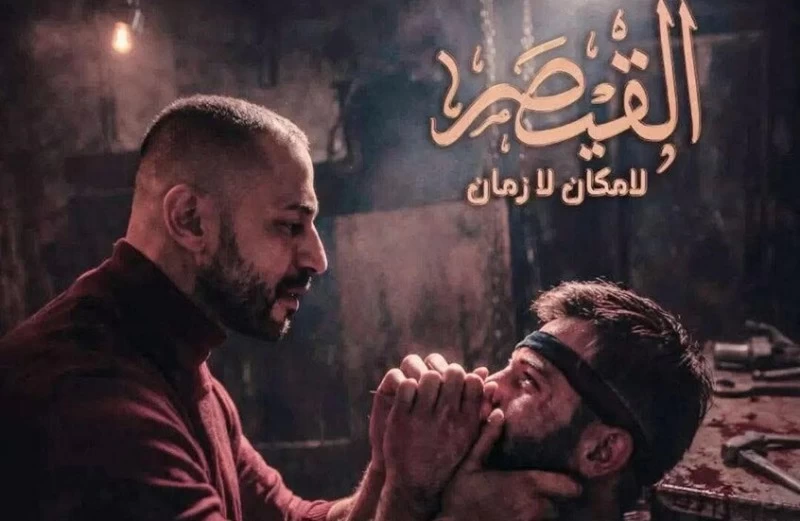
ردّ المخرج السوري صفوان نعمو على الجدل الواسع الذي أثاره مسلسل القيصر.. لا مكان لا زمان، والذي يتناول معاناة المعتقلين في السجون السورية خلال فترة حكم بشار الأسد، مؤكداً أن ما عُرض على الشاشة لا يمثل سوى 1% من القصة الحقيقية.
رسائل إجرامية
وأشار إلى تعرضه لتهديدات متكررة بسبب العمل، وصلته عبر الهاتف والرسائل واتصالات خارجية، قائلاً إن مستوى التهديدات تجاوز حدود الرسالة الدرامية ليصل إلى رسائل إجرامية، على حد وصفه، لافتاً إلى أن فريق العمل التقى بعدد كبير من عائلات معتقلين سابقين وشهود عيان على ما جرى داخل السجون، موضحاً أن القصص التي تم الاستماع إليها كانت قاسية للغاية، لكن تمت معالجتها درامياً بما يخدم البناء الفني للمسلسل، مضيفاً أن ما يشاهده الجمهور حالياً هو جزء بسيط جداً من الحقيقة الكاملة.
مسرح جريمة
ويواجه المسلسل انتقادات عديدة كونه يفتح جروحاً لم تلتئم بعد لدى عائلات الضحايا، بينما رأى البعض أن تصوير المعتقلات جاء بهدف جذب المشاهدات. وردّ نعمو على ذلك مؤكداً أن العمل لم يتم تصويره في أي موقع حقيقي أو سجن أو فرع أمني، بل صُوّر بالكامل داخل استديوهات وديكورات صُممت خصيصاً لمحاكاة أجواء السجون والمخافر والأقسام، مشدداً على أن هذه الأماكن مسرح جريمة ولا يمكن التصوير فيها لا حالياً ولا مستقبلاً.
وامتد الجدل أيضاً إلى اختيار الممثلين، إذ اعتبر بعض المتابعين أن عدداً من نجوم المسلسل كانوا موالين للنظام السابق. وأوضح نعمو أنه تواصل منذ بداية المشروع مع مجموعة من أبرز نجوم الدراما السورية الذين عُرفوا بمواقف معارضة للنظام، من بينهم فارس الحلو وسامر المصري ومكسيم خليل ومازن الناطور، لكن انشغالهم بأعمال أخرى حال دون مشاركتهم.
وأضاف أن عدداً من الفنانين تجاوبوا مع العمل وشاركوا فيه، منهم عبدالحكيم قطيفان ونوار بلبل وماهر مزوق وسامر كحلاوي، إضافة إلى مجموعة أخرى من الممثلين.
«عكاظ» وحوار قيصر
ونجحت «عكاظ» في أن تكون أول وسيلة إعلامية تجري حواراً مع «قيصر» وشريكه «سامي» اللذين فضحا ما يجري في معتقلات وسجون نظام بشار الأسد من قتل وتعذيب وإعدامات ما حولها إلى مسالخ بشرية.
كما انفردت «عكاظ» بالكشف عن شخصية «قيصر» الحقيقية المساعد أول «فريد ندى المذهان»، من مدينة الشيخ مسكين في ريف درعا بسورية، وهي المرة الأولى التي يتم الكشف عن اسمه.
وحافظت «عكاظ» على سر اسمه طوال 4 سنوات، إذ اشترط أن لا يذكر الاسم في الحوار الذي أجري معه ونشر في 17 مايو 2020، واليوم بعد سقوط الأسد ونظامه تكشف «عكاظ» للمتابعين قصة هذا الاسم. قيصر الذي ينتمي إلى مدينة درعا شرارة الثورة السورية، قرر أن يخرج للإعلام ليقول سرديته التاريخية ويكشف للمرة الأولى تفاصيل الانشقاق؛ ولمن لا يعرف قيصر أو فريد فهو الشخص الوحيد الذي كان يمتلك كل الأدلة على جرائم الأسد، وقاد إلى محاصرته وضرب قوته الاقتصادية. وكلمة «قيصر» أطلقت على القانون الذي أقره الكونغرس الأمريكي، ودخل حيز التنفيذ في 17 يونيو 2020، ويفرض عقوبات على النظام السوري.
The Syrian director Safwan Naamo responded to the widespread controversy sparked by the series “The Caesar… No Place, No Time,” which addresses the suffering of detainees in Syrian prisons during Bashar al-Assad’s rule, affirming that what was shown on screen represents only 1% of the true story.
Criminal Messages
He pointed out that he has faced repeated threats due to the work, which reached him via phone calls, messages, and external communications, stating that the level of threats has exceeded the boundaries of dramatic messaging to reach what he described as criminal messages. He noted that the team met with a large number of families of former detainees and eyewitnesses to what happened inside the prisons, explaining that the stories they heard were extremely harsh, but were dramatized in a way that serves the artistic structure of the series, adding that what the audience is currently watching is a very small part of the complete truth.
Crime Scene
The series has faced numerous criticisms as it opens wounds that have not yet healed for the families of the victims, while some believe that the portrayal of the detention centers was aimed at attracting viewers. Naamo responded to this by confirming that the work was not filmed in any real location, prison, or security branch, but was entirely shot inside studios and sets specifically designed to simulate the atmosphere of prisons, police stations, and departments, emphasizing that these places are crime scenes and cannot be filmed in now or in the future.
The controversy also extended to the choice of actors, as some followers considered that several stars of the series were loyal to the previous regime. Naamo clarified that he has been in contact since the beginning of the project with a group of prominent stars of Syrian drama known for their opposition to the regime, including Fares Helou, Samer Ismail, Maxim Khalil, and Mazen Nattour, but their commitments to other projects prevented their participation.
He added that several artists responded positively to the work and participated in it, including Abdulhakim Qatifan, Nawar Bulbul, Maher Mazouk, and Samer Kahlawi, in addition to a group of other actors.
“Okaz” and the Caesar Interview
“Okaz” succeeded in being the first media outlet to conduct an interview with “Caesar” and his partner “Sami,” who exposed what is happening in the detention centers and prisons of Bashar al-Assad’s regime, including killings, torture, and executions that turned them into human slaughterhouses.
“Okaz” also exclusively revealed the true identity of “Caesar,” who is the first sergeant “Farid Nada Al-Madhhan,” from the town of Sheikh Miskin in the Daraa countryside of Syria, marking the first time his name has been disclosed.
“Okaz” kept his name secret for four years, as he stipulated that his name not be mentioned in the interview conducted with him and published on May 17, 2020. Today, after the fall of Assad and his regime, “Okaz” reveals to followers the story behind this name. Caesar, who hails from Daraa, the spark of the Syrian revolution, decided to go public to tell his historical narrative and reveal for the first time the details of the defection; for those who do not know Caesar or Farid, he is the only person who possessed all the evidence of Assad’s crimes, leading to the siege and strike against his economic power. The term “Caesar” was given to the law passed by the U.S. Congress, which came into effect on June 17, 2020, imposing sanctions on the Syrian regime.
[ad_2]
المصدر : وكالات

