
عمل خليجي مشترك وتنسيق مواقف وفرص تكامل – أخبار السعودية – كورا نيو


جاءت زيارة ولي العهد رئيس مجلس الوزراء الأمير محمد بن سلمان، لمملكة البحرين ومشاركته في أعمال الدورة الـ46 للمجلس الأعلى لمجلس التعاون لدول الخليج العربية، التي عقدتفي العاصمة البحرينية المنامة، امتداداً لجهود المملكة الرامية لتعزيز العمل الخليجي المشترك، وفق رؤية خادم الحرمين الشريفين التي أقرها قادة دول المجلس في العام 2015م.
وكان للجولة الخليجية التي قام بها ولي العهد عام 2021م بالغ الأثر البالغ في فتح آفاق جديدة لرؤية خادم الحرمين الشريفين الملك سلمان بن عبدالعزيز آل سعود؛ لتعزيز العمل الخليجي المشترك، من خلال تكثيف التواصل مع قادة دول مجلس التعاون لدول الخليج العربية وتنسيق المواقف حيال التحديات السياسية والاقتصادية التي يمر بها العالم وخلق المزيد من فرص التكامل الاقتصادي بين دول المجلس.
تعزيز المكانة الدولية وشراكات إستراتيجية واقتصادية
وتتزامن أهمية مشاركة ولي العهد في الدورة الـ46 للمجلس الأعلى لمجلس التعاون لدول الخليج العربية مع تطورات الأحداث في المنطقة؛ ما يتطلب تنسيق المواقف بين دول مجلس التعاون لدول الخليج العربية بما يدعم تعزيز الأمن والاستقرار في المنطقة.
وحددت رؤية خادم الحرمين الشريفين الملك سلمان بن عبدالعزيز آل سعود؛ لتعزيز العمل الخليجي المشترك أولويات التكامل والتعاون بين دول مجلس التعاون لتعزيز العمل المشترك عبر منظومة خليجية تتسم بالفعالية والكفاءة، وتسهم في الحفاظ على الاستقرار والسلم الإقليمي والعالمي، وتعزيز المكانة الدولية للمجلس، وتحقيق الشراكات الإستراتيجية والاقتصادية التي تعود بالنفع على مواطني دول المجلس وعلى المنطقة.
رؤية خادم الحرمين ودور السعودية القيادي
وانسجاماً مع رؤية خادم الحرمين الشريفين، وبدور قيادي من المملكة، عمل مجلس التعاون لدول الخليج العربية على تطوير وتعزيز الحوارات والعلاقات والشراكات الإستراتيجية مع كبرى دول العالم حيث يُجري المجلس حوارات منتظمة مع نحو 16 دولة ومنظمة إقليمية، أبرزها الولايات المتحدة، والصين، وروسيا، والهند، والبرازيل، والاتحاد الأوروبي، ورابطة دول الآسيان.
وإيماناً برؤية خادم الحرمين الشريفين الملك سلمان بن عبدالعزيز آل سعود، ودورها المحوري في تحقيق التكامل بين دول المجلس، فقد أسهمت المملكة بشكل فاعل في إنجاح الرئاسة الكويتية لأعمال الدورة الـ45 لمجلس التعاون لدول الخليج العربية، حرصاً منها على تفعيل الشراكة مع دول المجلس بما يحقق أولويات العمل الخليجي المشترك.
رفع جودة حياة شعوب دول الخليج
وتحققت خلال الدورة الـ42 لمجلس التعاون لدول الخليج العربية برئاسة المملكة العديد من النتائج المهمة في تنمية التبادلات التجارية مع أبرز الشركاء التجاريين لدول المجلس، ومن ذلك تعزيز مفاوضات اتفاقيات التجارة الحرة لمجلس التعاون مع المملكة المتحدة، والصين، وكوريا، والهند، وأستراليا، ونيوزلندا، وإيجاد بيئة تجارية مفتوحة تقوم على القواعد التجارية العالمية.
وأطلق مجلس التعاون منذ تأسيسه العديد من المـشروعات الخليجية المشتركة، لرفد الاقتصاد الخليجي، والإسهام في التنمية المجتمعية، ورفع جودة حياة شعوب دول المجلس، ومن أبرزها مشروع الربط الكهربائي، والموافقة على إنشاء هيئة السكك الحديدية، لربط الدول الأعضاء، وتسهيل الحركة التجارية وتنقل السكان، وإنشاء شركة المدفوعات الخليجية، والربط بين البنوك المركزية الخليجية، وإنشاء وتطوير المجلس الصحي الخليجي، والمركز الخليجي للوقاية من الأمراض ومكافحتها، وإصدار القوانين الموحدة المتعلقة بسلامة الأغذية.
The visit of Crown Prince and Prime Minister Mohammed bin Salman to the Kingdom of Bahrain and his participation in the 46th session of the Supreme Council of the Gulf Cooperation Council, held in the Bahraini capital, Manama, is an extension of the Kingdom’s efforts to enhance joint Gulf cooperation, in accordance with the vision of the Custodian of the Two Holy Mosques, which was approved by the leaders of the Council member states in 2015.
The Gulf tour undertaken by the Crown Prince in 2021 had a significant impact in opening new horizons for the vision of the Custodian of the Two Holy Mosques, King Salman bin Abdulaziz Al Saud, to enhance joint Gulf cooperation by intensifying communication with the leaders of the Gulf Cooperation Council member states and coordinating positions regarding the political and economic challenges facing the world, and creating more opportunities for economic integration among the member states.
Enhancing International Standing and Strategic and Economic Partnerships
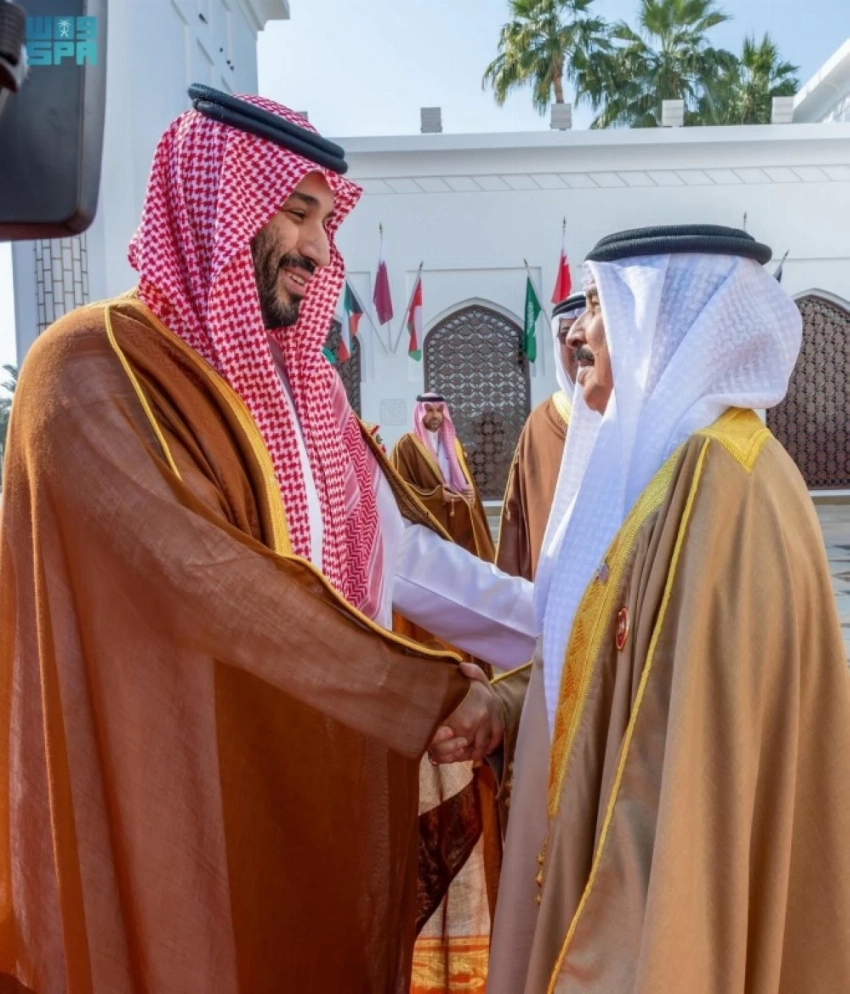
The importance of the Crown Prince’s participation in the 46th session of the Supreme Council of the Gulf Cooperation Council coincides with developments in the region; this requires coordination of positions among the Gulf Cooperation Council member states to support the enhancement of security and stability in the region.
The vision of the Custodian of the Two Holy Mosques, King Salman bin Abdulaziz Al Saud, to enhance joint Gulf cooperation has identified priorities for integration and cooperation among the member states to strengthen joint action through an effective and efficient Gulf system, contributing to maintaining regional and global stability and peace, enhancing the international standing of the Council, and achieving strategic and economic partnerships that benefit the citizens of the member states and the region.
The Vision of the Custodian of the Two Holy Mosques and Saudi Arabia’s Leadership Role
In line with the vision of the Custodian of the Two Holy Mosques and with a leading role from the Kingdom, the Gulf Cooperation Council has worked to develop and enhance dialogues, relationships, and strategic partnerships with major countries of the world, where the Council conducts regular dialogues with about 16 countries and regional organizations, most notably the United States, China, Russia, India, Brazil, the European Union, and the Association of Southeast Asian Nations.
Believing in the vision of the Custodian of the Two Holy Mosques, King Salman bin Abdulaziz Al Saud, and its pivotal role in achieving integration among the member states, the Kingdom has actively contributed to the success of Kuwait’s presidency of the 45th session of the Gulf Cooperation Council, keen on activating the partnership with the member states to achieve the priorities of joint Gulf action.
Improving the Quality of Life for the People of the Gulf States
During the 42nd session of the Gulf Cooperation Council, chaired by the Kingdom, many important results were achieved in developing trade exchanges with the Council’s key trading partners, including enhancing negotiations for free trade agreements with the United Kingdom, China, South Korea, India, Australia, and New Zealand, and creating an open trade environment based on global trade rules.
Since its establishment, the Gulf Cooperation Council has launched many joint Gulf projects to support the Gulf economy, contribute to community development, and improve the quality of life for the people of the member states. Among the most notable are the electricity interconnection project, the approval to establish a railway authority to connect member states, facilitate trade movement and population mobility, the establishment of the Gulf Payments Company, the connection between Gulf central banks, the establishment and development of the Gulf Health Council, the Gulf Center for Disease Prevention and Control, and the issuance of unified laws related to food safety.
المصدر : وكالات


