
تخصيص خدمات نوعيّة في 18 قطاعاً حيوياً – أخبار السعودية – كورا نيو

[ad_1]
أعلن وزير المالية بدء تنفيذ الإستراتيجية الوطنية للتخصيص التي صدرت موافقة مجلس الوزراء عليها، والتي تهدف إلى الارتقاء بجودة وكفاءة البنية التحتية، تحسين مستوى الخدمات العامة المقدمة للسكان، تعزيز مشاركة القطاع الخاص في التنمية الاقتصادية المستدامة، تمكين الحكومة من التركيز على أدوارها التشريعية والرقابية والتنظيمية، تعزيز الاستدامة المالية للدولة، بما يتوافق مع مستهدفات رؤية المملكة 2030.
وكشف المركز الوطني للتخصيص الإستراتيجية الوطنية للتخصيص التي تعمل على رفع مستوى الرضا والارتقاء بجودة الخدمات المقدمة للمواطنين والمقيمين والزوار في 18 قطاعاً مستهدفاً؛ تشمل الاتصالات وتقنية المعلومات، الزكاة والضريبة والجمارك، الإعلام، الصحة، البلديات والإسكان، الصناعة والثروة المعدنية، البيئة والمياه والزراعة، الموارد البشرية والتنمية الاجتماعية، التعليم، النقل والخدمات اللوجستية، الحج والعمرة، النقل العام، الداخلية، الهيئة الملكية لمحافظة العلا، الدفاع، الهيئة الملكية لمدينة الرياض، الرياضة، وعقارات الدولة.
وبين المركز أن الإستراتيجية الوطنية للتخصيص تستهدف تنفيذ نماذج تخصيص لمشاريع وخدمات نوعيّة محددة في قطاعات حيوية متعددة، بما يسهم في رفع كفاءة التنفيذ، وتحسين جودة الخدمات والبنية التحتية، وتعزيز الأثر الاقتصادي والتنموي. ويتمحور التخصيص في قطاع التعليم على تطوير المرافق التعليمية وفق معايير نموذجية، ويتولى القطاع الخاص بناءها وتشغيلها، بينما يتركز دور الوزارة على الطلاب والمعلمين والمناهج التعليمية. وقد تم بناء وتشغيل 120 مدرسة بمعايير نموذجية في منطقتي مكة المكرمة والمدينة المنورة، تخدم أكثر من 100 ألف طالب وطالبة.
وفي قطاع الدفاع، ركز التخصيص على تطوير البنية التحتية وتهيئة المرافق التي تدعم بيئة العمل، إذ سيتم تطوير المباني المكتبية بمدينة الرياض بمساحة إجمالية تبلغ 52.793م، بطاقة استيعابية لنحو 4500 موظف، إضافة إلى 3200 موقف سيارات.
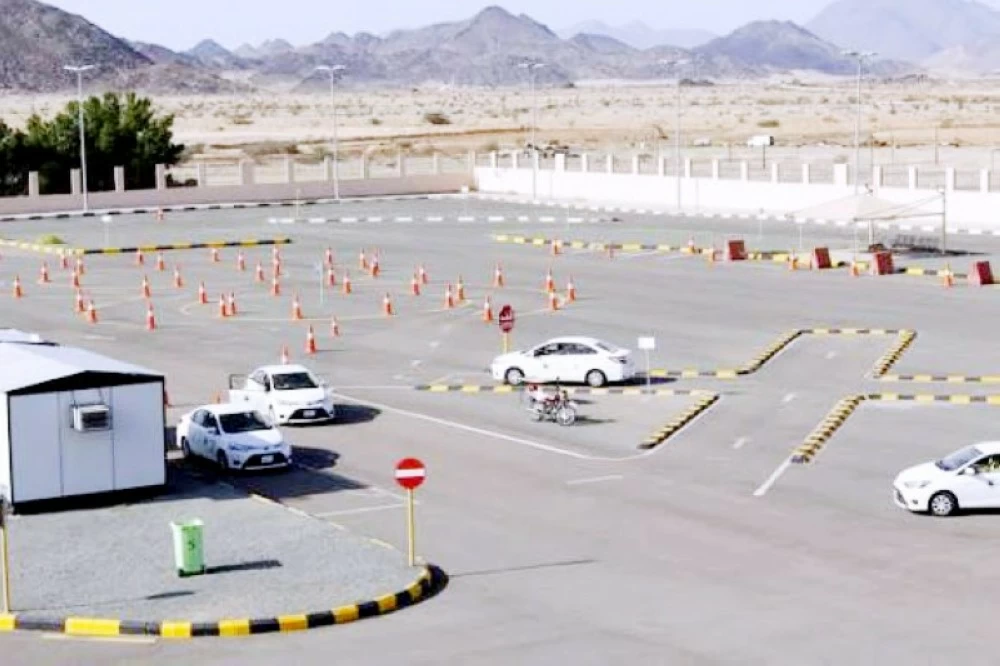
فيما ركز تخصيص قطاع الداخلية على تطوير مدارس تعليم القيادة بالمملكة؛ بهدف رفع كفاءة التدريب واستدامة الأداء، من خلال مراقبة أداء المدارس وإدارة اختبارات السائقين في أكثر من 69 مدرسة بمختلف مناطق المملكة.
وفي جانب تخصيص قطاع الرياضة، يشمل تخصيص الأندية الرياضية ومشروع تطوير مدينة الأمير فيصل بن فهد الرياضية، الذي يتضمن بناء ملعب رياضي حديث بطاقة استيعابية نحو 47000 متفرج لاستضافة فعاليات محلية ودولية كبرى؛ من أبرزها كأس العالم 2034.
147 فرصة استثمارية
وتتضمن الإستراتيجية الوطنية للتخصيص 147 فرصة استثمارية ذات أولوية تم اختيارها من بين 500 مشروع في 18 قطاعاً حيوياً، لتكون محركاً اقتصادياً يضمن بيئة جاذبة للقطاع الخاص.
فيما حدد المركز 240 ملياراً إجمالي استثمارات رأسمالية مستهدفة من القطاع الخاص بحلول 2030، لتعزيز النمو الاقتصادي وخلق فرص عمل نوعية. وبين المركز أن 27 ملياراً إجمالي قيمة صافي العوائد الحكومية من المشاريع.
ووفق الإستراتيجية الوطنية للتخصيص التي تم إطلاقها للمركز تأتي الإستراتيجية الوطنية للتخصيص لتحقيق طموحات المملكة المستمرة في النهوض بالخدمات المقدمة للمواطنين والمقيمين والزائرين، وخلق أثر اقتصادي واجتماعي مستدام من خلال رفع جاذبية منظومة التخصيص للاستثمار وإيجاد العديد من الفرص الواعدة للمستثمرين من القطاع الخاص المحلي والدولي، وتعزيز دور الحكومة في الرقابة والتنظيم وتحقيق الاستدامة المالية.
السعودية مرجع عالمي
تحمل الرؤية للتخصيص أن تكون المملكة مرجعاً عالمياً في مجال تخصيص البنى التحتية والخدمات العامة، فيما تتضمن الرسالة تعظيم الأثر الاقتصادي والاجتماعي والمالي لمشاريع التخصيص.
وحدد المركز أهداف الإستراتيجية للتخصيص التي تم تقسيمها إلى أهداف المستوى الأول وتتضمن إتاحة الأصول المملوكة للدولة أمام القطاع الخاص، تخصيص خدمات حكومية محددة.
فيما حددت أهداف المستوى الثاني بزيادة جودة وكفاءة البنية التحتية والخدمات العامة لسكان المملكة، تقليص الدور التشغيلي للحكومة في تقديم الخدمات العامة، إنشاء بيئة ممكنة للتخصيص، تعزيز الاستدامة المالية، المساهمة في التنمية الاقتصادية.
وشدد المركز على وجود خمسة برامج إستراتيجية لتعظيم أثر التخصيص والشراكة بين القطاعين العام والخاص.
تشتمل الإستراتيجية على برامج صُممت لتحقيق نتائج واقعية أربع منها مُمكّنة تدعم منظومة التخصيص، وبرنامج تنفيذي يركّز على مشاريع التخصيص والشراكة للمشاريع ذات الأولوية.
ويأتي البرنامج الأول لضمان التخطيط القائم على تحقيق الأثر والإدارة المستمرة.
فيما ينص البرنامج الثاني على تعزيز بيئة تنظيمية وحوكمة فعالة، والبرنامج الثالث تطوير القدرات البشرية وإدارة المعرفة، ويتضمن البرنامج الرابع تحسين التسويق والجاذبية للتخصيص.
وينص البرنامج الخامس على تنفيذ مشاريع التخصيص ذات الأولوية والأثر الأكبر.
ومن مستهدفات الإستراتيجية الوطنية للتخصيص بحلول عام 2030، 240 ملياراً إجمالي قيمة الاستثمارات الرأسمالية من القطاع الخاص، و43 ملياراً إجمالي القيمة مقابل المال من عمليات الشراكة، 221 عقداً ناتجاً عن الشراكة بين القطاعين العام والخاص تمهد لاستحداث آلاف الوظائف.
The Minister of Finance announced the commencement of implementing the national privatization strategy, which has been approved by the Council of Ministers. This strategy aims to enhance the quality and efficiency of infrastructure, improve the level of public services provided to residents, strengthen private sector participation in sustainable economic development, enable the government to focus on its legislative, regulatory, and supervisory roles, and enhance the financial sustainability of the state, in line with the targets of the Kingdom’s Vision 2030.
The National Center for Privatization revealed the national privatization strategy, which aims to raise the level of satisfaction and improve the quality of services provided to citizens, residents, and visitors in 18 targeted sectors; including telecommunications and information technology, zakat, tax, and customs, media, health, municipalities and housing, industry and mineral wealth, environment, water, and agriculture, human resources and social development, education, transportation and logistics services, Hajj and Umrah, public transport, interior, the Royal Commission for Al-Ula Governorate, defense, the Royal Commission for Riyadh City, sports, and state properties.
The center indicated that the national privatization strategy targets the implementation of privatization models for specific qualitative projects and services in multiple vital sectors, contributing to enhancing the efficiency of execution, improving the quality of services and infrastructure, and strengthening economic and developmental impact. The privatization in the education sector focuses on developing educational facilities according to exemplary standards, with the private sector responsible for building and operating them, while the ministry’s role centers on students, teachers, and educational curricula. A total of 120 schools have been built and operated with exemplary standards in the Makkah and Madinah regions, serving more than 100,000 male and female students.
In the defense sector, privatization focuses on developing infrastructure and preparing facilities that support the work environment. Office buildings in Riyadh will be developed with a total area of 52,793 square meters, accommodating approximately 4,500 employees, in addition to 3,200 parking spaces.
Meanwhile, the privatization of the interior sector focuses on developing driving schools in the Kingdom to enhance training efficiency and sustain performance by monitoring the performance of schools and managing driver tests in more than 69 schools across various regions of the Kingdom.
In terms of sports sector privatization, it includes the privatization of sports clubs and the development project of Prince Faisal bin Fahd Sports City, which involves building a modern sports stadium with a capacity of approximately 47,000 spectators to host major local and international events, including the 2034 World Cup.
147 Investment Opportunities
The national privatization strategy includes 147 priority investment opportunities selected from among 500 projects in 18 vital sectors, to serve as an economic driver that ensures an attractive environment for the private sector.
The center has set a target of 240 billion in total capital investments from the private sector by 2030, to enhance economic growth and create quality job opportunities. The center indicated that 27 billion is the total value of net government returns from the projects.
According to the national privatization strategy launched by the center, the strategy aims to achieve the Kingdom’s ongoing aspirations to improve the services provided to citizens, residents, and visitors, and create a sustainable economic and social impact by enhancing the attractiveness of the privatization system for investment and generating numerous promising opportunities for local and international private sector investors, while strengthening the government’s role in oversight, regulation, and achieving financial sustainability.
Saudi Arabia as a Global Reference
The vision for privatization aims for the Kingdom to be a global reference in the field of infrastructure and public service privatization, while the mission includes maximizing the economic, social, and financial impact of privatization projects.
The center has defined the objectives of the privatization strategy, which are divided into first-level objectives that include making state-owned assets available to the private sector and privatizing specific government services.
The second-level objectives aim to increase the quality and efficiency of infrastructure and public services for the Kingdom’s residents, reduce the operational role of the government in providing public services, create an enabling environment for privatization, enhance financial sustainability, and contribute to economic development.
The center emphasized the existence of five strategic programs to maximize the impact of privatization and the partnership between the public and private sectors.
The strategy includes programs designed to achieve realistic outcomes, four of which are enabling and support the privatization system, along with an executive program focusing on priority privatization and partnership projects.
The first program aims to ensure planning based on achieving impact and continuous management.
The second program focuses on enhancing an effective regulatory environment and governance, the third on developing human capabilities and knowledge management, and the fourth on improving marketing and attractiveness for privatization.
The fifth program focuses on implementing priority privatization projects with the greatest impact.
Among the targets of the national privatization strategy by 2030 are 240 billion in total capital investments from the private sector, 43 billion in total value for money from partnership operations, and 221 contracts resulting from the public-private partnership that pave the way for the creation of thousands of jobs.
[ad_2]
المصدر : وكالات

